

Advanced Physiotherapy for Athletic Recovery
Physiotherapy for athletes is not just about treating injuries; it’s about understanding the demands of high-performance sports and tailoring recovery programs that address not just the physical, but also the psychological and nutritional needs of the individual. At Reflex Physiotherapy Langley, we pride ourselves on integrating traditional methods with modern scientific breakthroughs to craft a recovery process that is as unique as the athletes we serve, helping them bounce back from injuries and reach their peak performance. The following blog post delves deep into the sophisticated world of advanced physiotherapy, exploring techniques and technologies that are setting new standards in sports medicine.
The Importance of Tailored Physio Programs for Athletes
Every athlete is a world unto themselves, with specific strengths, weaknesses, and recovery needs. The one-size-fits-all approach is obsolete; personalized physiotherapy programs are the new gold standard. Typically, our specialists begin with a comprehensive assessment that includes a detailed injury analysis, biomechanical assessments, and a review of your athletic goals. This enables us to create a physio program that’s as unique as your fingerprint.
Understanding Sports Injuries and Rehabilitation Needs
Sport related injuries can range from acute trauma, like a sprained ankle, to overuse injuries, such as tendinitis. Rehabilitation must be approached holistically, with a clear understanding of the injury’s nature, the sport’s specific demands, and the athlete’s personal goals. Advanced physiotherapy integrates this knowledge to not only treat the injury but also to fortify the body against future incidents.
Cutting-Edge Techniques in Modern Physiotherapy
Modern physiotherapy has transcended far beyond ice packs and elastic bands. Techniques now include innovative treatments that accelerate healing, enhance performance, and minimize the risk of re-injury. One example of a ew technology is PRP and stem cell therapy.
Regenerative Medicine: PRP and Stem Cell Therapies
One thing that has recently developed is regenerative medicine, which is quickly becoming a game changer in sports injury management. Treatments like Platelet-Rich Plasma (PRP) and stem cell therapies harness the body’s natural healing mechanisms, amplifying them to improve recovery times significantly.
Integration of Technology in Physiotherapy
As we venture further into the 21st century, the integration of technology in physiotherapy has become an indispensable aspect of athlete rehabilitation. The innovative use of tech-driven methods not only enhances the recovery process but also empowers athletes with data and feedback that were once unattainable, helping them better understand sports injuries and how to treat and prevent them.
Wearable Technology for Real-Time Recovery Tracking

Wearable tech has taken the sports world by storm, allowing athletes and physiotherapists at Reflex Physiotherapy to monitor recovery in real-time. Devices worn during exercises provide valuable data on muscle activation, heart rate, and even sleep quality, each an important piece of the recovery puzzle.
How Smart Fabrics are Changing the Recovery Process
Smart fabrics are a newer development, with embedded sensors that track physiological and biomechanical metrics. These garments offer a non-intrusive way to collect data on muscle performance and the effectiveness of physiotherapy exercises, ensuring that every aspect of the recovery process is optimized for the individual’s needs.
Virtual Reality and Augmented Reality in Injury Rehabilitation

The application of VR and AR in physiotherapy opens up a world of possibilities. These technologies are not just for gaming; they are powerful tools for simulating real-life activities that athletes can engage with, enhancing both the rehabilitation experience and outcomes.
Gamification of Physio Exercises: Making Recovery Engaging
By incorporating game elements into rehabilitation exercises, you can transform mundane routines into exciting challenges. Gamification increases engagement and adherence to physiotherapy programs, making the path to recovery not just a journey back to health but an enjoyable experience in its own right.
Nutrition and Supplementation for Optimal Healing
The role of nutrition in the healing process cannot be overstated. An athlete’s body is a high-performance machine that requires the right fuel to repair itself.
Anti-Inflammatory Diets: What to Eat Post-Injury
Post-injury nutrition focuses on anti-inflammatory foods that aid in reducing swelling and pain. Foods rich in omega-3 fatty acids, antioxidants, and phytonutrients are emphasized to support the body’s natural healing processes.
Supplements for Accelerating Tissue Repair
In conjunction with a balanced diet, certain supplements can play a role in tissue repair. Omega-3 supplements, branched-chain amino acids, and vitamin D are among the supplements we might recommend to support recovery, always personalized to the athlete’s specific needs and in accordance with the latest research.
Psychological Strategies for Recovery
An often-overlooked aspect of recovery is the athlete’s psychological well-being. The mental strain of injury and the journey back to full health is a battle of its own.
Mindfulness and Mental Resilience in Overcoming Injury
Mindfulness techniques help in managing the stress and anxiety that often accompany injury. Training in mental resilience is important to ensure that athletes are mentally, as well as physically, prepared for the demands of their sport.
Visualization Techniques for Enhancing Physical Rehabilitation
Visualization is used to prepare the mind for the day’s physiotherapy sessions, setting the stage for a successful physical recovery. It helps in creating a mental image of the body healing and performing at its best, which can be a powerful motivator and a catalyst for recovery.
Tailoring Physiotherapy for Different Athletic Disciplines
The diverse world of sports requires a nuanced approach to physiotherapy. What benefits a long-distance runner may not be suitable for a weightlifter. Recognizing these differences is crucial in designing effective rehabilitation strategies.
Specifics of Physiotherapy for Endurance vs. Power Athletes
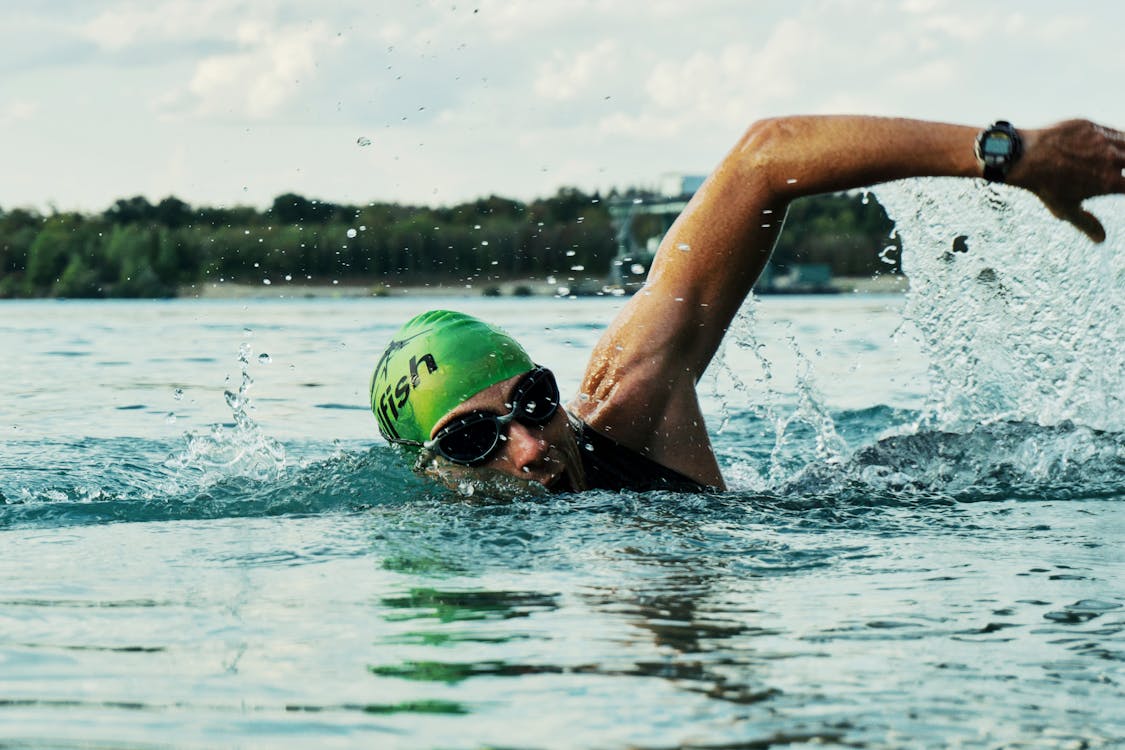
Endurance athletes, like marathon runners and cyclists, face overuse injuries due to repetitive motion. Their physiotherapy focuses on cardiovascular fitness, muscular endurance, and joint flexibility. In contrast, power athletes such as weightlifters or sprinters benefit from advanced physiotherapy programs that emphasize explosive strength, joint stability, and muscle recovery.
Recovery Strategies for Team Sport Athletes
Team sports such as soccer, basketball, or rugby require a different physiotherapy approach due to the unpredictable nature of the game and the variety of movements involved. Rehabilitation programs for these athletes are designed to mimic game situations, ensuring they can return to play safely and effectively.
Personalized Physio Routines for Soccer and Basketball Players
For a soccer player for instance, agility training and lower limb coordination are crucial, whilst a basketball player may require a focus on vertical jump exercises and core stability. Reflex Physiotherapy’s personalized routines address these sport-specific demands, facilitating a return to the pitch or court with confidence.
Advanced Manual Therapies in Sports Physiotherapy
Advanced manual therapies are essential in addressing soft tissue injuries, enhancing mobility, and providing pain relief. These hands-on techniques, such as massage therapy, are administered by skilled physiotherapists who understand the intricacies of athletic injuries.
Myofascial Release and Its Benefits for Athletes
Myofascial release is a technique used to treat skeletal muscle immobility and pain by relaxing contracted muscles, improving blood and lymphatic circulation, and stimulating the stretch reflex in muscles. For athletes, this means faster recovery from muscle tightness and improved range of motion.
Advanced Techniques in Sports Massage for Muscle Recovery
Sports massage is not just about relaxation. It’s a targeted approach that involves manipulating soft tissue to reduce muscle tension, enhance blood flow, and break down scar tissue. Reflex Physiotherapy employs advanced sports massage techniques that are integral to our athletes’ recovery and performance maintenance routines.
Joint Manipulation and Mobilization Techniques
Proper joint function is vital for athletic performance. Our physiotherapists use joint manipulation and mobilization techniques to restore joint movement, relieve pain, and stimulate tissue repair, ensuring that each athlete’s movement is as fluid and efficient as possible.
The Effectiveness of Osteopathic Manipulative Treatment in Sports
Osteopathic Manipulative Treatment (OMT) is another manual therapy approach available at Reflex Physiotherapy. OMT can be particularly effective in treating structural and tissue abnormalities, restoring balance to the body, and promoting overall mobility and function.
Injury Prevention and Maintenance
Injury prevention is as crucial as rehabilitation. At Reflex Physiotherapy, we believe in empowering athletes with the knowledge and techniques to prevent injuries before they occur.
Strength Training and Conditioning for Injury Prone Areas
Strength training is not just for enhancing athletic performance; it’s a vital component of injury prevention. A well-designed strength and conditioning program can fortify the body, particularly injury-prone areas, by improving muscle balance and joint stability. Our physiotherapists emphasize functional movements that mimic sports-specific activities, ensuring that athletes are not just strong but also well-protected against the rigors of their sport.

Core Stability Exercises and Their Role in Prevention
The core is the body’s center of power. A strong and stable core reduces the risk of injury by providing a solid foundation for all movements. Reflex Physiotherapy incorporates a variety of core stability exercises into injury prevention programs, helping athletes maintain optimal performance and avoid downtime.
Mobility Work and Stretching: Essentials of Injury Avoidance
Mobility work and proper stretching are key to maintaining the range of motion necessary for sports. These practices help in preventing the stiffness and tightness that can lead to injuries. At Reflex Physiotherapy, dynamic stretching is integrated into warm-ups, while static stretching is reserved for cool-down periods to maximize performance and flexibility.
Dynamic vs. Static Stretching in Sports Performance
Understanding when and how to use different stretching techniques can greatly impact an athlete’s ability to perform and stay injury-free. Dynamic stretching is used to prepare the body for the demands of a workout or competition, while static stretching is utilized post-activity to aid in recovery and maintain flexibility.
The Future of Physiotherapy for Athletes
Physiotherapy is an ever-evolving field, with new discoveries and technologies continually emerging. Reflex Physiotherapy stays at the forefront of these developments, ensuring that our athletes benefit from the very latest in sports science.
Innovations on the Horizon: What’s Next for Sports Physiotherapy?
From gene therapy and personalized medicine to advanced imaging techniques and new modalities of treatment, the future of physiotherapy holds incredible promise. These advancements will not only enhance recovery but also transform how we approach injury prevention and athletic care.
The Integration of AI in Developing Physiotherapy Programs
Artificial intelligence is beginning to play a significant role in physiotherapy. AI can analyze vast amounts of data from wearable devices to develop highly personalized treatment and training programs that adapt to the changing needs of athletes, offering a level of customization that was previously impossible.
Conclusion: Partnering with Reflex Physiotherapy for Elite Athletic Recovery
The journey to recovery is not just a physical process; it is an emotional and communal one as well. At Reflex Physiotherapy, we cultivate a sense of community among our athletes and staff, fostering an environment where experiences and knowledge are shared, and where each victory—no matter how small—is celebrated. We believe that a supportive network can significantly enhance the recovery process, providing motivation and solidarity. In this community, athletes find not only professional support from our therapists but also camaraderie and encouragement from fellow athletes, creating a holistic healing atmosphere that recognizes the athlete as a whole person, not just an injury to be treated. Plus, with our advanced techniques, individualized care plans, and a relentless pursuit of innovation, we provide athletes with the best possible outcomes.
Advanced Training for Physiotherapists: Staying Ahead of the Curve
The expertise of our physiotherapists at Reflex Physiotherapy is not static; it evolves. We invest heavily in continuous education and advanced training programs for our therapists to ensure they remain at the cutting edge of sports medicine. This commitment to learning translates directly into superior care for our athletes. From mastering the latest manual therapy techniques to incorporating evidence-based practice into rehabilitation programs, our therapists are equipped with a diverse and dynamic skill set. This dedication ensures that every treatment plan is backed by the most current research and the most innovative practices available in sports physiotherapy today.
While our discussion on ‘Maximizing Recovery: Advanced Physiotherapy Techniques for Athletes’ provides invaluable insights into state-of-the-art recovery methodologies and the significance of personalized rehabilitation programs, the journey towards optimal athletic performance doesn’t stop there. To further support your path to excellence and resilience in sports, we highly recommend exploring our detailed guide, “Athletic Therapy Langley”. This companion piece expands on the essential role of athletic therapy within the broader spectrum of sports medicine and recovery, offering a localized look at how athletes in Langley can access specialized therapeutic support tailored to their unique needs. Dive deeper into how our Langley-based services can empower your athletic endeavors by visiting Athletic Therapy Langley, and take another step forward in your quest for peak performance and health.
How to Get Started with Your Advanced Physiotherapy Journey
Are you prepared to advance your recovery process? Get in touch with Reflex Physiotherapy to arrange your consultation. Our team is committed to crafting a customized physiotherapy program that’s specifically tailored to your needs, helping you not only reach but exceed your athletic objectives.
Our other popular services : Massage in Langley , Dry Needling in Langley

